
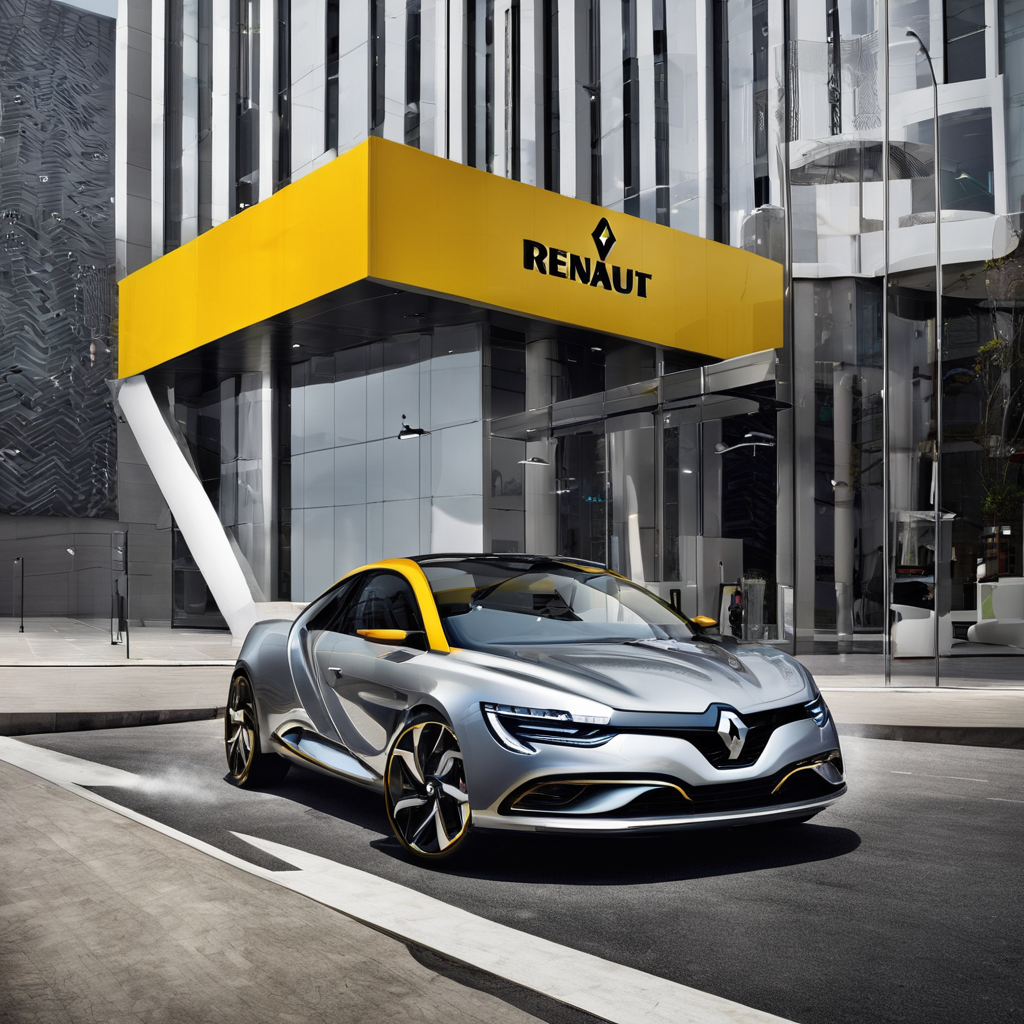
Renault Group is a prominent player in the automotive industry, with a rich history dating back to its establishment in 1899 by Louis Renault. Over the years, Renault has evolved into a global powerhouse, producing a wide range of vehicles that cater to various markets and consumer needs. The group’s commitment to innovation, sustainability, and excellence has solidified its reputation as a leader in the automotive sector.
Renault Group’s diverse portfolio includes popular brands such as Renault, Dacia, and Alpine, each offering unique characteristics and appeal to different segments of the market. The Renault brand, known for its stylish designs and cutting-edge technology, has a strong presence in Europe and beyond. Dacia, on the other hand, focuses on delivering affordable and reliable vehicles, making it a popular choice for budget-conscious consumers.
In recent years, Renault Group has placed a strong emphasis on electric and hybrid vehicles as part of its commitment to sustainability and reducing carbon emissions. The group’s electric models, such as the Renault Zoe, have gained popularity for their eco-friendly features and impressive performance. Additionally, Renault’s investment in developing sustainable mobility solutions highlights its dedication to building a greener future.
Renault Group’s strategic partnerships and collaborations with other industry players have further strengthened its position in the market. The group’s alliance with Nissan and Mitsubishi, known as the Renault-Nissan-Mitsubishi Alliance, has enabled them to leverage synergies and resources to drive innovation and competitiveness in the automotive landscape. This alliance has led to the sharing of technology, platforms, and expertise, benefiting all three companies.
The global reach of Renault Group extends to various regions, with a strong presence in key markets such as Europe, Asia, and Africa. The group’s manufacturing facilities worldwide ensure efficient production and distribution of vehicles to meet the demands of diverse markets. Renault’s commitment to local production and employment has also contributed to its positive impact on economies and communities around the world.
As part of its corporate social responsibility efforts, Renault Group has implemented initiatives to promote diversity, inclusion, and employee well-being within the organization. The group’s focus on sustainable practices and ethical business conduct aligns with its vision of being a responsible corporate citizen. By prioritizing social and environmental sustainability, Renault aims to create long-term value for its stakeholders and society as a whole.
Renault Group’s success in the automotive industry can be attributed to its continuous investment in research and development to stay ahead of market trends and technological advancements. The group’s R&D efforts have resulted in the introduction of innovative features and solutions in its vehicles, enhancing the overall driving experience for customers. By embracing digitalization and emerging technologies, Renault remains at the forefront of innovation in the automotive sector.
Looking ahead, Renault Group is poised to navigate the evolving landscape of the automotive industry by embracing digital transformation and adapting to changing consumer preferences. The group’s focus on connected and autonomous vehicles, as well as mobility services, reflects its commitment to shaping the future of transportation. With a strong foundation built on a legacy of excellence and innovation, Renault Group is well-positioned to lead the way towards a sustainable and connected automotive ecosystem.
In conclusion, Renault Group’s legacy of innovation, sustainability, and global impact underscores its position as a key player in the automotive industry. With a diverse portfolio of brands, a commitment to sustainability, and a focus on innovation, Renault continues to drive the future of mobility forward. As the automotive landscape evolves, Renault Group remains dedicated to delivering cutting-edge solutions that meet the needs of consumers worldwide while contributing to a more sustainable and connected world.